In a field constantly seeking the next breakthrough, skincare professionals are increasingly turning to a microscopic yet powerful tool: exosomes. These nano-sized messengers, once overlooked in cellular communication, are now at the forefront of advanced skincare treatments, promising benefits that extend from reducing wrinkles to healing damaged tissue.
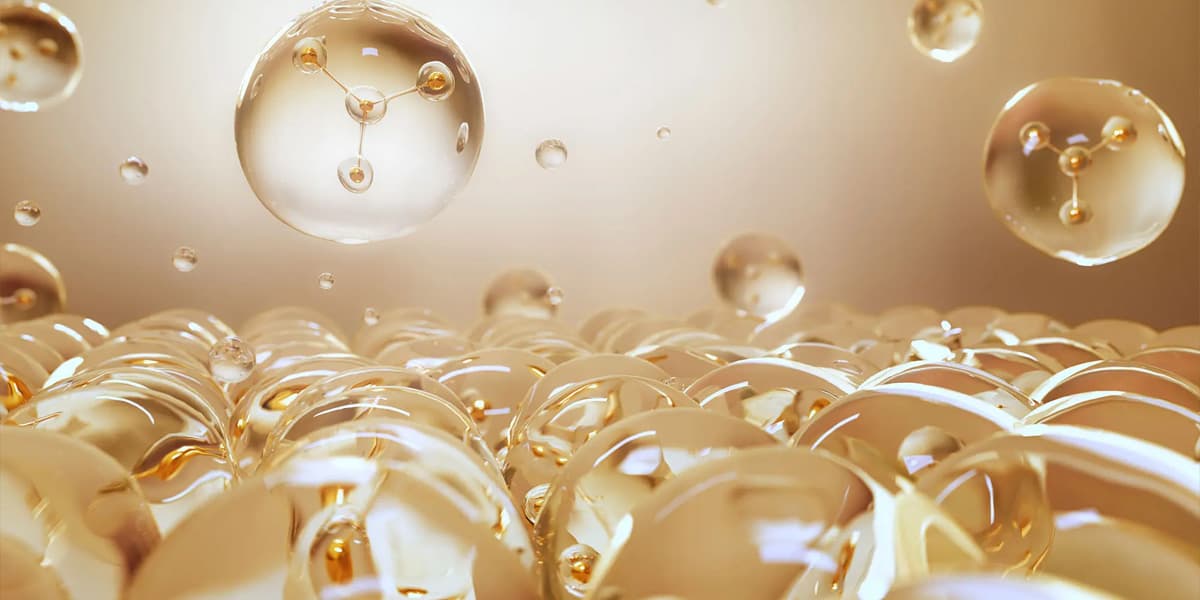
“Think of exosomes as little tiny, ‘prime’ packages coming to save the day,” explains Dr. Mona Gohara, Associate Clinical Professor of Dermatology at Yale School of Medicine. “Each cell in the human body secretes these packages filled with genetic material, lipids, proteins, growth factors, and other tools that, when secreted from one cell, activate another to work magic.”
At their core, exosomes are tiny extracellular vesicles (30-200 nanometers wide) released by various cells in the body. They serve as cellular messengers, transporting proteins, lipids, and genetic material between cells. In skincare, their communication abilities signal surrounding cells to boost, repair, and rejuvenate the skin.
The potential applications are extensive. Exosomes can stimulate collagen and elastin production, reduce inflammation, accelerate wound healing, improve hydration, fade scars, even skin tone, and enhance recovery from other skincare treatments. These benefits have made them particularly valuable for addressing aging skin, pigmentation issues, and inflammatory conditions.
Dr. Sarayana Wyles, a Dermatologist with the Mayo Clinic specializing in Regenerative Biotherapeutics, considers exosomes “the biggest leap forward in skincare since the advent of retinol.” This sentiment reflects growing enthusiasm among professionals who see exosomes as a fundamental shift in how we approach skin rejuvenation.
One significant advantage of exosomes over other regenerative treatments is their safety profile. Unlike stem cell therapies, exosomes are not live cells but rather the beneficial molecules secreted by cells. “Because exosomes are not live, they greatly reduce the risk of adverse effects such as immune rejection, tumor formation, and infection, which can happen with stem cell transplantation,” notes one expert in the field.
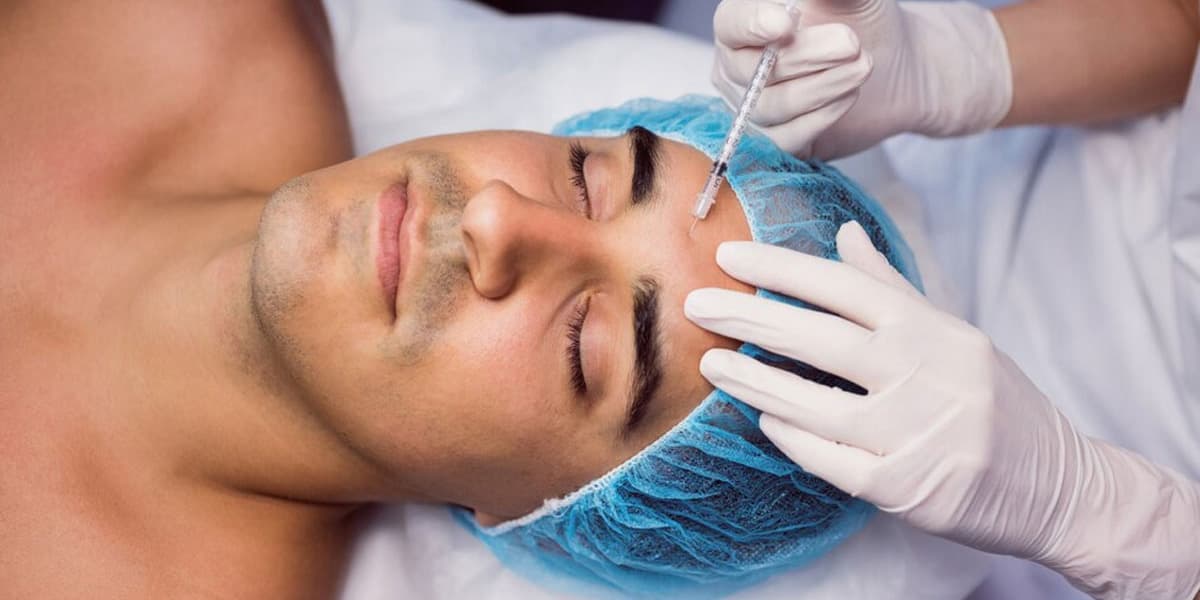
Currently, exosomes are being integrated into skincare in multiple ways. They’re used in professional treatments, often combined with procedures like microneedling or laser therapy to enhance results and reduce recovery time. The micro-injuries created during these procedures create channels allowing exosomes to penetrate deeper into the skin.
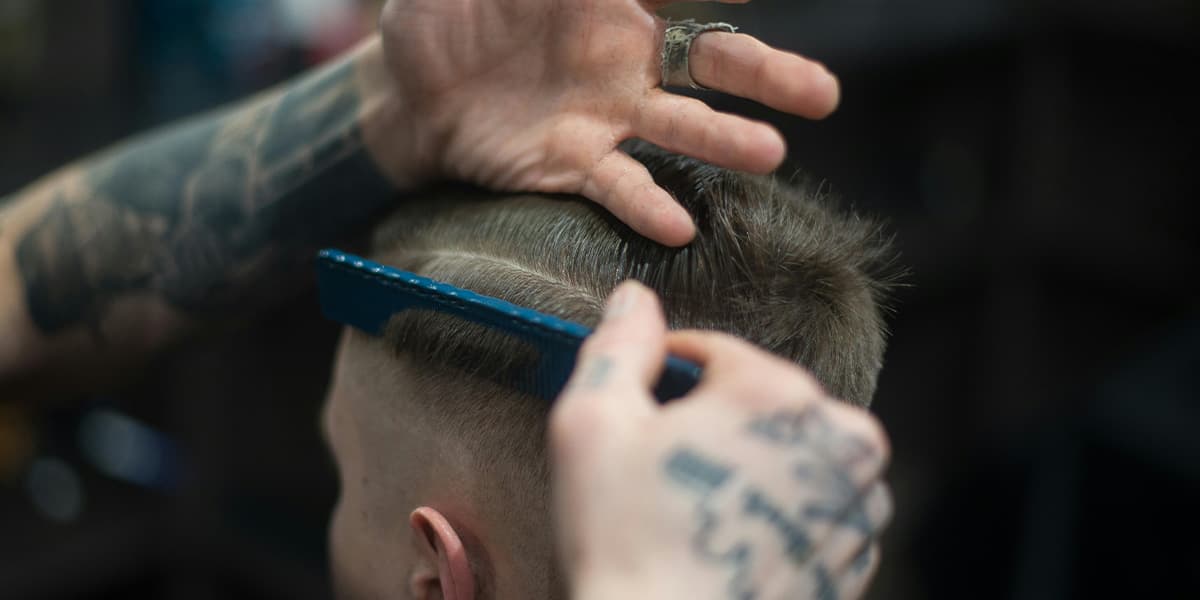
In clinical settings, exosome treatments are showing promising results for both skin and hair rejuvenation. Research has demonstrated their ability to promote tissue regeneration in skin wounds and address various dermatological conditions. They’re also being used to support hair growth when combined with scalp treatments.
The source of exosomes matters significantly. Human-derived exosomes, especially those from platelet or stem-cell sources, currently show the most promising results. Some companies are focusing on specific extraction and formulation methods to create stable, effective products. For instance, Plated SkinScience has developed a proprietary technology that makes their exosome formulas shelf-stable, addressing one of the challenges in exosome-based products.
However, experts caution that the field is still evolving. “We are only at the top of the iceberg in understanding exosome technology, including the ideal source, biomanufacturing, and stability factors,” Dr. Wyles notes. Continued research and clinical studies remain necessary to fully understand the potential of exosomes in skincare.
Looking ahead, the future of exosomes in skincare appears promising. Researchers are exploring personalized exosome treatments tailored to an individual’s specific skin needs and genetic makeup. Innovations in delivery systems may further enhance the penetration and effectiveness of exosome-based products, while expanded applications could extend beyond skincare to other cosmetic concerns.
As interest grows, regulatory considerations also come into focus. The FDA has yet to officially classify exosomes for cosmetics, leaving questions about what type of regulation should apply to these products. This regulatory uncertainty adds another layer of complexity to the exosome landscape.
For skincare professionals and clients alike, exosomes represent a significant advancement in regenerative aesthetics. As research continues and technology improves, these cellular messengers may well become a cornerstone of modern skincare, bridging the gap between traditional cosmetics and medical therapies.
Whether incorporated into professional treatments or home care products, exosomes are poised to change how we approach skin health—not just by addressing surface concerns, but by communicating with skin cells themselves, encouraging natural repair processes, and potentially transforming the field of skincare for years to come.