In a landscape where filtered selfies and influencer endorsements drive consumer demand, regulatory bodies are increasingly scrutinizing the aesthetic industry’s advertising practices and service delivery standards. The rush to meet social media-inspired beauty ideals has outpaced oversight, creating a regulatory gap that legislators are now working to address.
Recent research from Boston University reveals a direct correlation between social media usage and the desire for cosmetic procedures. Their study, which surveyed 175 individuals at an outpatient dermatology clinic, found that “spending time on image-led platforms like Instagram and Snapchat—and, in particular, adding filters or using photo-editing apps before sharing photos—strongly correlated with respondents’ desire to undergo a cosmetic procedure.”
The aesthetic medicine industry has experienced explosive growth in recent years, particularly in non-invasive procedures performed at medical spas and clinics. While traditional regulations have focused primarily on medical safety, they’ve largely overlooked the psychological factors driving consumer demand. Industry researchers from ScienceDirect noted that the cosmetic procedures industry “contributes to unrealistic societal appearance pressures considered harmful to body image” yet operates in a context of “limited regulation.”
This regulatory vacuum has allowed disparate standards to develop across states. According to industry resource Face Med Store, “Each state has a medical board that oversees and provides guidelines on how every aesthetic practice should conduct its business,” but these guidelines vary significantly. Some states permit non-physicians to own medical spas, while others maintain strict medical oversight requirements. The American Med Spa Association confirms that while injections fall under the practice of medicine in all states, enforcement of who can administer treatments remains inconsistent.
The UK has moved more aggressively to address these issues. The Health and Care Act 2022 gives the British government powers to introduce a licensing scheme for aesthetic practitioners, making it an offense to perform certain procedures without proper credentials. The British Beauty Council explains that a key aim of the new license will be to correct public safety issues by requiring practitioners to meet minimum standards of training and competence.
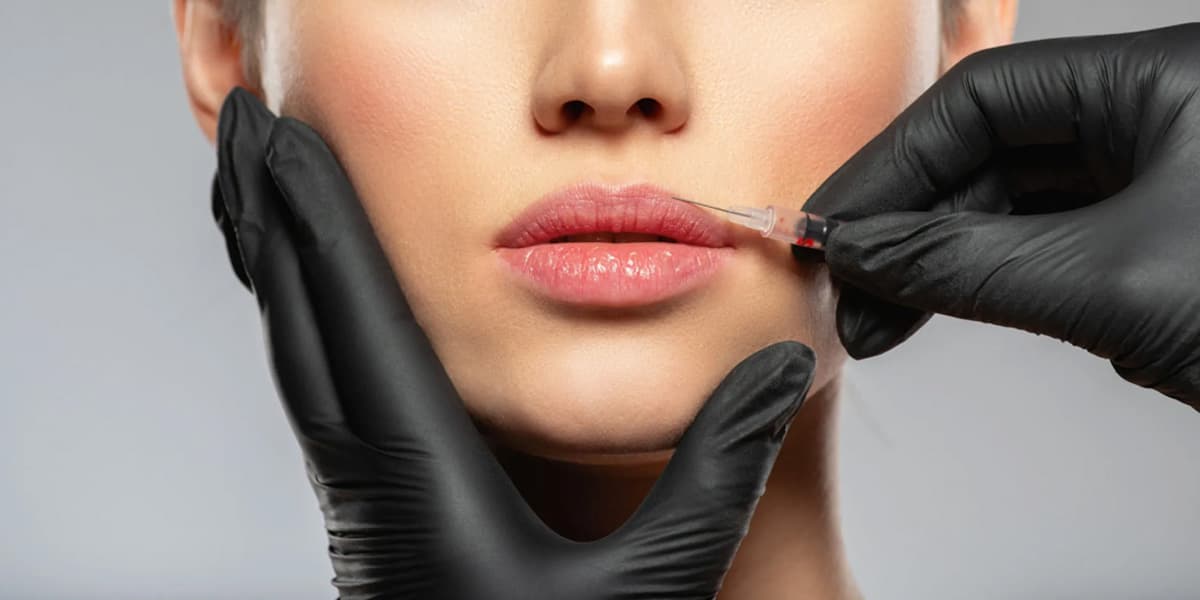
Critics point to the lack of unified standards in the US market. Dermatology Times highlights the contradiction: “Neuromodulators, fillers, and other cosmetic injectables are FDA-regulated drugs that are technically a ‘prescription.’ So why are individuals who cannot write a prescription artistically injecting into a patient’s face?”
As media continues to shape beauty standards and consumer expectations, industry insiders anticipate more stringent regulatory frameworks in response. Some aesthetic businesses are proactively implementing stronger self-regulatory measures, recognizing that enhanced standards may become mandatory as public awareness grows.
Medical professionals in the field emphasize that social media’s impact extends beyond consumer demand to influence how aesthetic procedures are perceived, marketed, and regulated. The challenge facing regulators is balancing consumer access with appropriate safeguards in an industry where technical skill, artistic judgment, and medical knowledge intersect.
For salon, spa, and clinic owners, staying ahead of this regulatory curve means investing in proper credentials, maintaining transparent marketing practices, and ensuring all staff meet or exceed current state requirements. As one industry expert observed, the future belongs to businesses that embrace ethical practices before regulators mandate them.